
Scars are a natural part of the healing process, but sometimes the body produces excess collagen during wound healing, resulting in a raised and enlarged scar known as a keloid. Keloids can develop after acne, surgery, burns, ear piercing, vaccinations, cuts, or even minor skin injuries.
While keloids are not dangerous, they can become a significant cosmetic concern and may cause symptoms such as itching, pain, tenderness, or restricted movement when located near joints.
If you are looking for expert keloid treatment in Pune, Dr. Paulomi Vartak at Nyra Clinic provides evidence-based treatment plans tailored to each patient’s skin type, scar characteristics, and treatment goals.

A keloid is an abnormal scar that develops due to excessive collagen production during wound healing. Unlike normal scars, keloids extend beyond the original injury site and continue growing even after the wound has healed.
Keloids may appear:
- Pink, red, brown, or darker than surrounding skin
- Raised and shiny
- Firm or rubbery in texture
- Smooth or irregular in shape
They can occur anywhere on the body but are most commonly seen on:
- Chest
- Shoulders
- Upper back
- Earlobes
- Neck
- Jawline
Keloids can develop after:
Acne Scars
Inflammatory acne can trigger excessive scar formation.
Ear Piercing
One of the most common causes of earlobe keloids.
Surgical Incisions
Some individuals develop keloids after surgical procedures.
Burns and Injuries
Burns, cuts, abrasions, and skin trauma may lead to keloid formation.
Vaccination Marks
In susceptible individuals, vaccination sites may develop keloids.
Genetic Predisposition
A family history of keloids increases the risk.
You may have a higher risk if:
- You have a family history of keloids
- You have darker skin tones
- You are between 10 and 30 years of age
- You have previously developed keloids
- Your skin tends to heal with raised scars
Common symptoms include:
- Raised scar tissue
- Progressive enlargement over time
- Itching
- Burning sensation
- Tenderness
- Pain on pressure
- Cosmetic disfigurement
- Reduced confidence and self-esteem
Many people assume keloids are purely cosmetic. However, untreated keloids may:
- Continue growing
- Cause persistent itching or discomfort
- Become painful
- Restrict movement around joints
- Lead to emotional distress
Early intervention often provides better outcomes and reduces the likelihood of recurrence.
Dr. Paulomi Vartak evaluates each scar individually before recommending a customized treatment plan.
- Intralesional Steroid Injections
Steroid injections are among the most effective first-line treatments for keloids.
Benefits include:
- Reducing scar thickness
- Flattening raised scars
- Relieving itching and discomfort
- Softening scar tissue
Multiple sessions may be required depending on scar size.
- Laser Treatment for Keloids
Advanced laser technology helps improve scar appearance by:
- Reducing redness
- Improving texture
- Flattening raised scars
- Stimulating healthier skin remodeling
Laser treatment is often combined with other therapies for optimal results.
- Cryotherapy
Cryotherapy involves controlled freezing of scar tissue.
It helps:
- Reduce keloid volume
- Improve scar texture
- Minimize scar prominence
This treatment is especially effective for smaller keloids.
- Silicone Gel and Silicone Sheets
Medical-grade silicone therapy can:
- Hydrate scar tissue
- Improve scar maturation
- Reduce itching
- Help prevent recurrence after treatment
- Surgical Keloid Removal
For larger or resistant keloids, surgical excision may be considered.
Because surgery alone carries a high recurrence rate, it is usually combined with:
- Steroid injections
- Silicone therapy
- Laser treatment
- Other preventive measures
- Combination Therapy
Modern keloid management often involves combining multiple treatments for superior outcomes.
Examples include:
- Surgery + Steroid Injections
- Laser + Steroids
- Cryotherapy + Steroids
- Silicone Therapy + Laser
Combination approaches often provide the best long-term results.
The goal of treatment is to:
- Flatten the scar
- Reduce symptoms
- Improve cosmetic appearance
- Prevent recurrence
While complete removal may not always be possible, significant improvement is achievable in most patients
If you are prone to keloids:
- Avoid unnecessary piercings
- Seek early treatment for acne
- Follow proper wound care
- Avoid picking at wounds
- Use silicone gels after surgery when advised
- Consult a dermatologist at the first sign of abnormal scar growth
Is keloid treatment painful?
Most treatments involve minimal discomfort. Topical numbing creams or local anesthesia may be used when necessary.
Can keloids disappear on their own?
No. Keloids rarely regress without treatment and may continue growing over time.
What is the best treatment for keloids?
The ideal treatment depends on the size, location, and severity of the scar. Steroid injections combined with laser therapy often provide excellent results.
Can keloids come back after treatment?
Recurrence is possible. However, combination therapy significantly reduces recurrence rates.
How many sessions are required?
The number of sessions varies depending on scar size and response to treatment. Most patients require multiple visits for optimal outcomes.
Are laser treatments safe for Indian skin?
Yes. When performed by an experienced dermatologist, laser treatments are safe and effective for Indian skin types.
When should I see a dermatologist for a keloid?
You should consult a dermatologist if your scar is growing, itchy, painful, or causing cosmetic concerns.
If you have a raised scar, itchy scar, acne keloid, or post-surgical keloid, early treatment can improve outcomes and prevent further growth.
Consult Dr. Paulomi Vartak at Nyra Clinic, Pune, for expert evaluation and personalized keloid treatment solutions designed to restore smoother, healthier-looking skin.
Get In Touch
Whether it’s skin health, aesthetic treatments, or expert gynecological care, our team is dedicated to providing personalized solutions with expertise and empathy. Get in touch with us today to experience the best in skin and women’s health care.
Our Team

Dr. Paulomi Vartak
Lead Dermatologist
MD Dermatology, Fellowship (Aesthetic Dermatology- CUTIS, Bangalore)

Dr. Priyadarshini Vartak
MD Obstetrics & Gynaecology,
MRCOG (London)
Our Philosophy

Lotus
Holistic Care With empathy

Butterfly
Transformation With trusted care

Sparkle
Excellence Through innovation


Our Treatments
Your Journey To Radiant Skin Begins Here
Our treatment process is designed to ensure your comfort and satisfaction. From your initial consultation to your follow-up care, we prioritize your needs every step of the way.

Step 1: Initial Consultation and Assessment

Step 2: Personalized Treatment Plan Creation
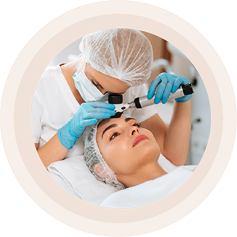
Step 3: Treatment Implementation and Care